
Protecting Your Home’s Exterior- A Guide to External Wall Repair and Maintenance
Protecting Your Home’s Exterior- A Guide to External Wall Repair and Maintenance
Understanding external wall repairs
Water leakage is especially common for HDB, Commercial Buildings and Condominium owners. It can cause water to seep into the internal walls of your home and office. This leads to substantial damage to your assets and property. It also can result in other problems that could potentially harm the health of residents i.e.mould and fungal growth can cause or worsen allergies. It also makes your home unsightly with peeling paint and unsightly water stains.
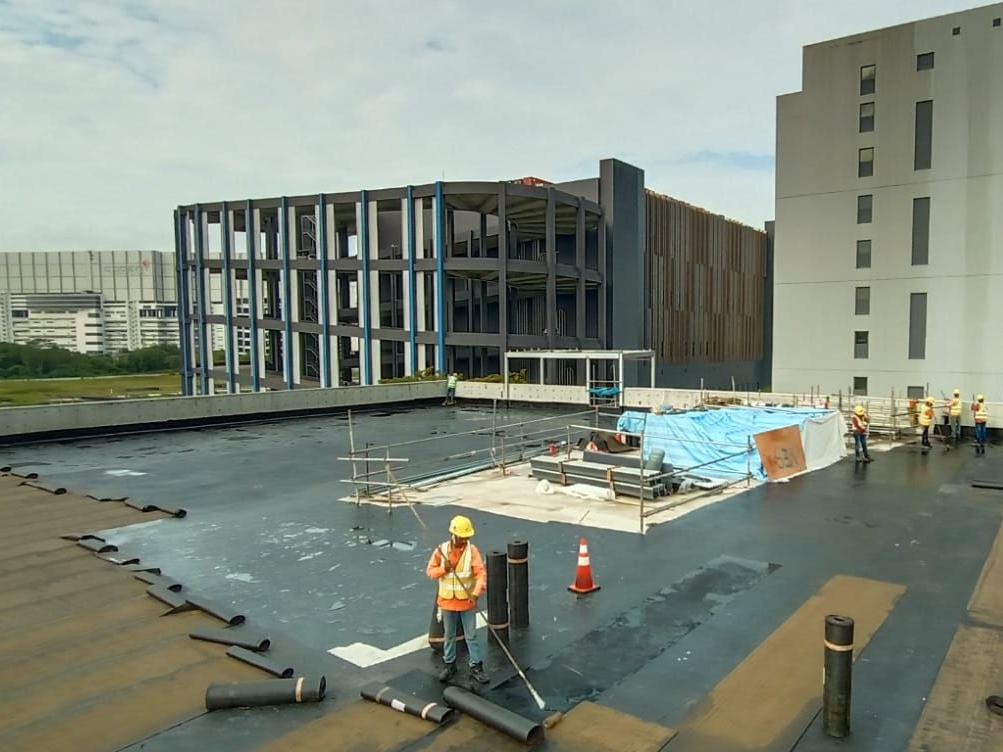
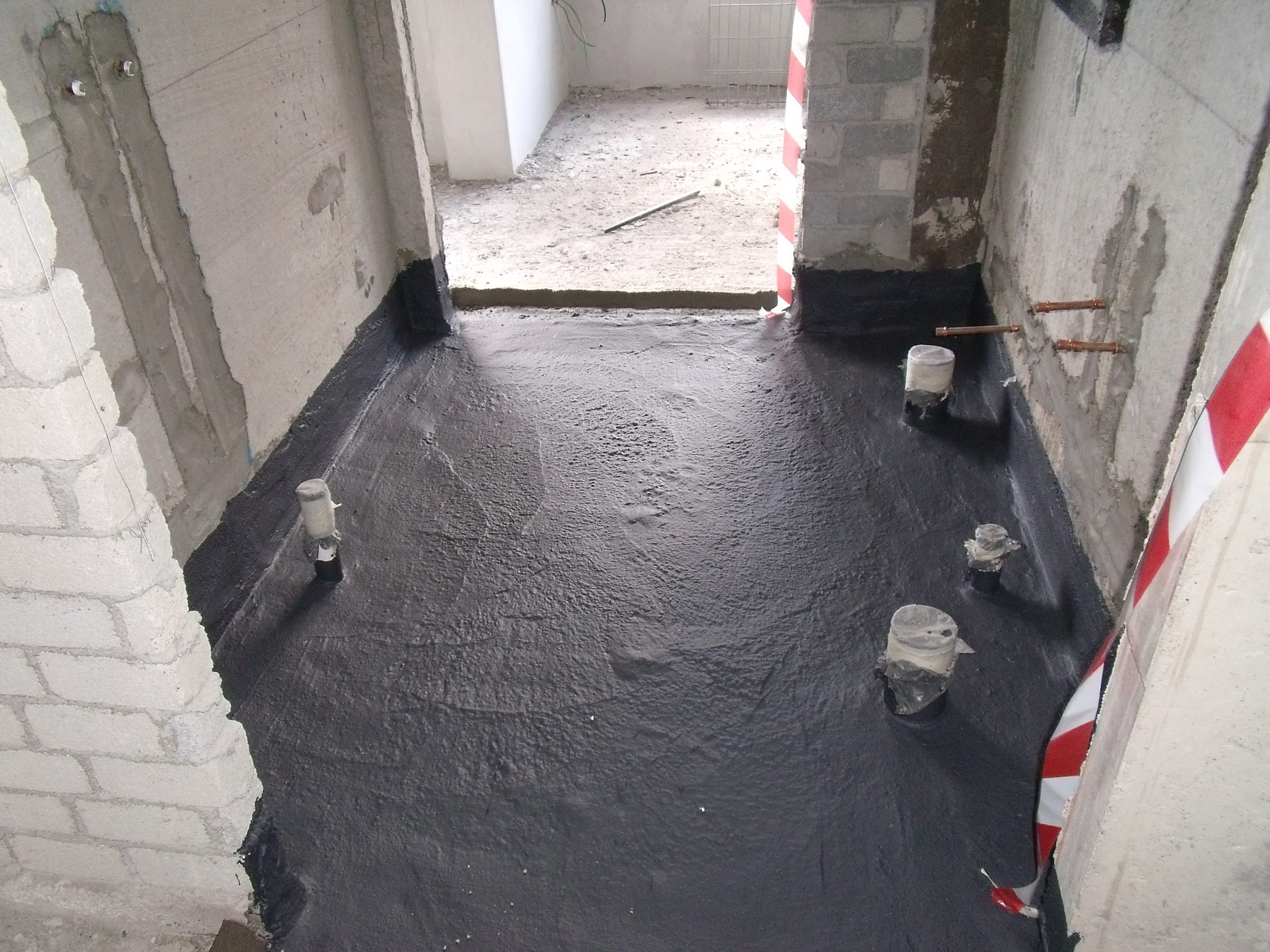
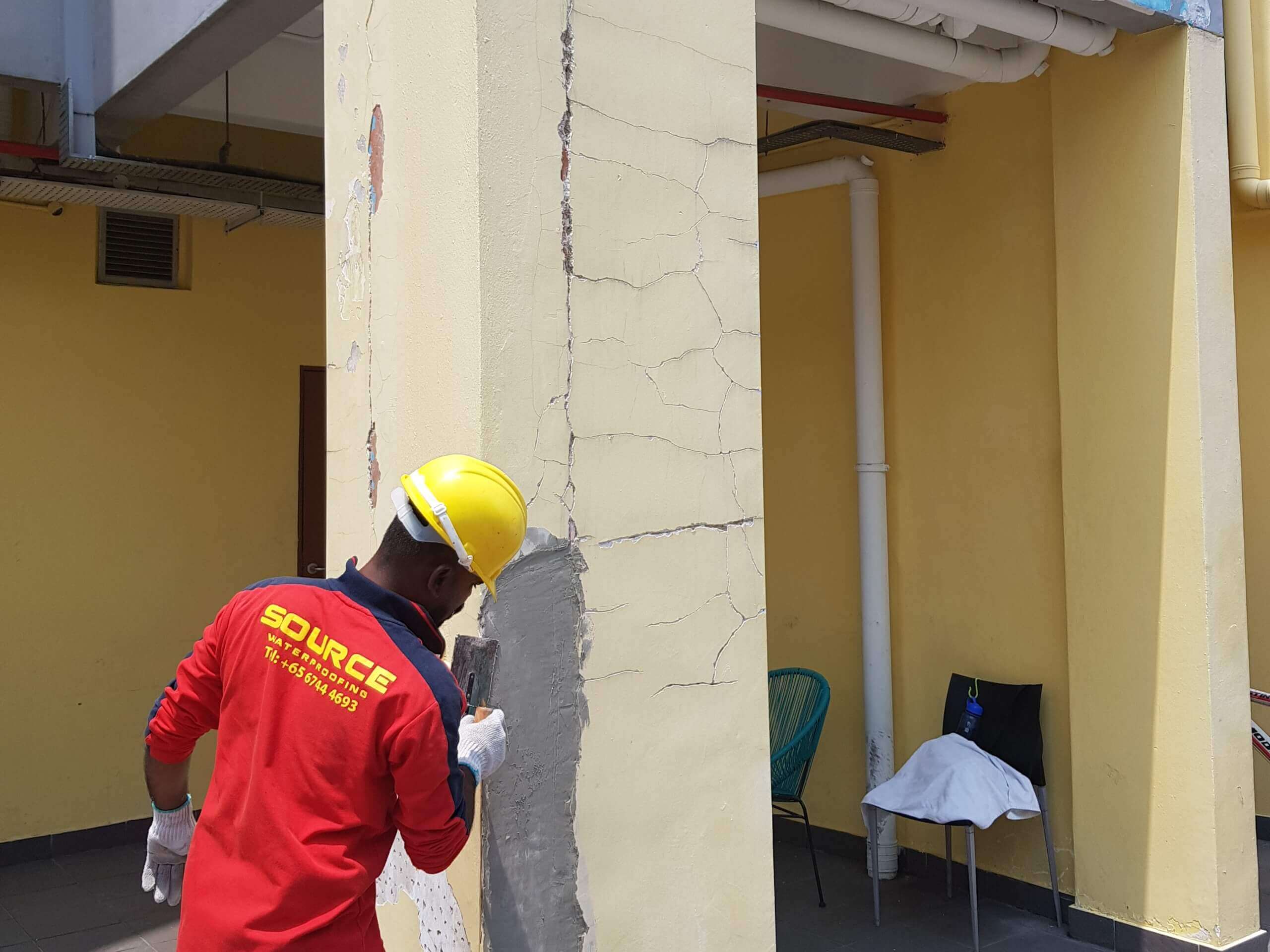
The Source Waterproofing method abides by MOM safety rules and regulations. We use qualified scaffolding prior to the waterproofing work to establish a strong foundation and proceed with sealing the cracks and applying two coats of waterproofing membrane and weather bond to prevent the leakage from recurring.
External wall cracks can be a cause for concern. Here are some of the most common causes of cracks in external walls:
- Foundation Settlement:
- Uneven Settlement: This is a frequent cause, especially in new buildings. As the soil beneath the foundation compresses and settles, different parts of the foundation may settle at different rates, leading to cracks in the walls above.
- Soil Type: Certain soil types, like expansive clay soils, are prone to swelling and shrinking with changes in moisture content, which can cause foundation movement and cracking.
- Thermal Expansion and Contraction:
- Temperature Fluctuations: External walls are exposed to temperature variations, causing them to expand in heat and contract in cold. This constant movement can create stress and lead to cracks, especially in areas with extreme temperature changes.
- Moisture Infiltration:
- Water Damage: Water penetration from leaks, rain, or poor drainage can weaken building materials and cause them to expand or contract, resulting in cracks.
- Poor Construction Practices:
- Inadequate Materials: Using substandard materials or improper mixing of concrete or mortar can weaken the wall and make it more susceptible to cracking.
- Improper Construction Techniques: Errors during construction, such as inadequate wall ties or insufficient support, can lead to structural weaknesses and cracking.
- External Factors:
- Vibrations: Vibrations from heavy traffic, construction work, or nearby machinery can cause stress on the walls and lead to cracking.
Types of Cracks and Their Significance:
- Hairline Cracks: These are very thin cracks (less than 1/8 inch wide) and are often considered normal, especially in new buildings as they settle.
- Vertical Cracks: These usually indicate foundation settlement or shrinkage of building materials.
- Horizontal Cracks: These can be more serious, often suggesting significant structural movement or pressure on the wall.
- Diagonal Cracks: These can also indicate structural issues, such as foundation settlement or lateral pressure.
What to Do About Cracks:
- Monitor the Cracks: If you notice a crack, monitor it for any changes in size or length.
- Consult a Professional: If you’re concerned about the severity of a crack, consult a structural engineer or a qualified builder to assess the situation and recommend appropriate repairs.
The method for repairing external wall cracks depends on the type, size, and cause of the crack. Here’s a breakdown of common repair methods:
- For Hairline Cracks (less than 1/8 inch wide):
- Cleaning: Thoroughly clean the crack with a wire brush to remove any loose debris or dirt.
- Filling: This will prevent water from entering the crack and causing further damage. Smooth the sealant with a putty knife for a neat finish.
- Painting: Once dry, you can paint over it to match the existing wall color.
- For Small to Medium Cracks (up to 1/2 inch wide):
- Widening the Crack: Use a chisel or grinder to slightly widen the crack into a “V” shape. This provides a better surface for the repair material to adhere to.
- Cleaning: Remove all dust and debris from the widened crack using a brush or compressed air.
- Filling: Fill the crack with a suitable patching compound or mortar mix designed for exterior use. Ensure the material is packed tightly into the crack to eliminate any voids.
- Finishing: Smooth the filled crack with a trowel or putty knife to match the surrounding wall surface.
- Curing: Allow the patching material to cure completely according to the manufacturer’s instructions.
- Painting: Paint the repaired area to blend it with the rest of the wall.
- For Larger or Structural Cracks (wider than 1/2 inch or showing signs of movement):
- Crack Stitching: This method involves inserting helical stainless steel bars into slots cut across the crack. These bars reinforce the wall and prevent further movement.
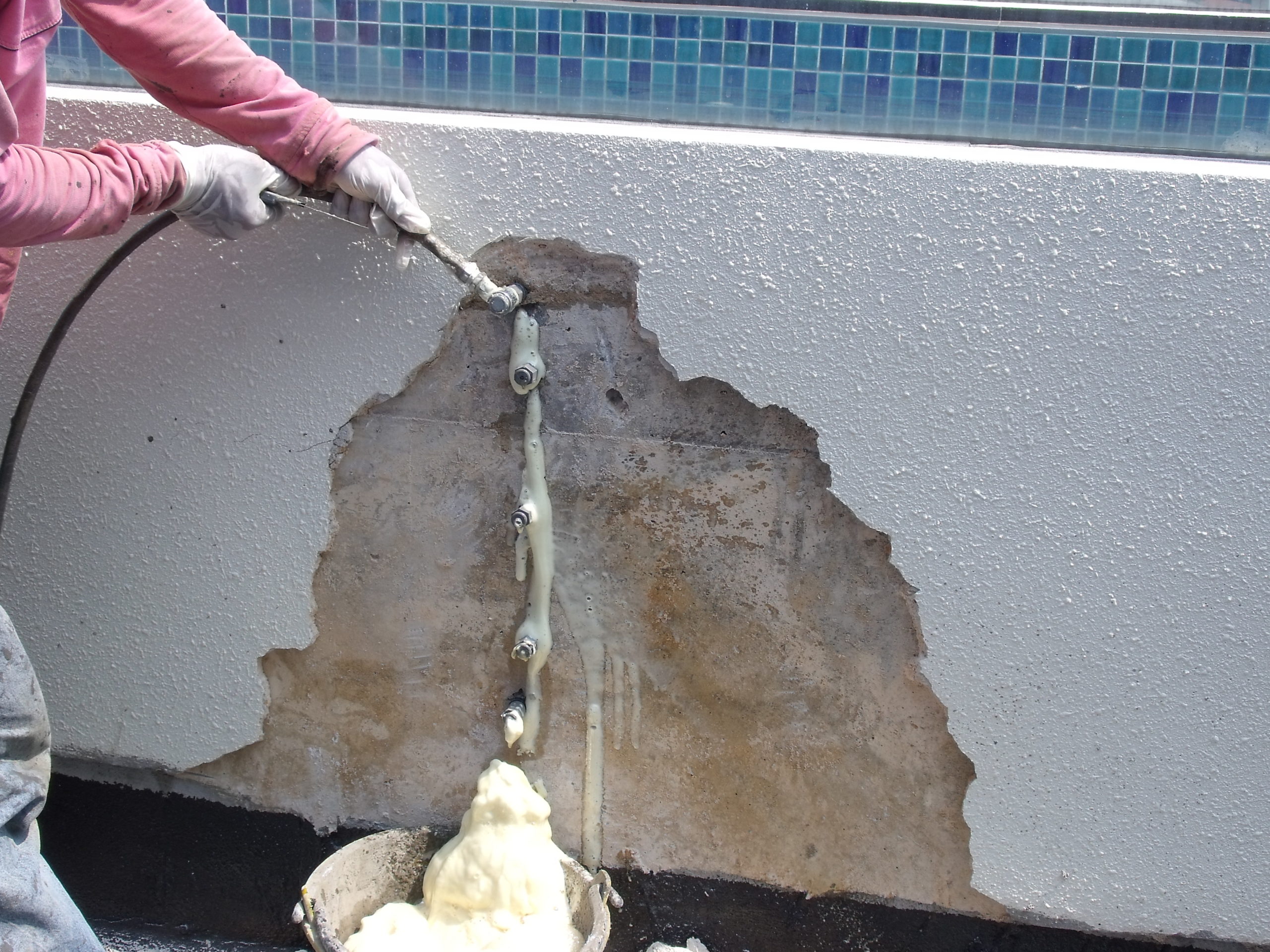
- Epoxy Injection: This technique is used for cracks that are stable but require structural repair. Epoxy resin is injected into the crack under pressure, bonding the cracked sections together.
- Reinforcement: In some cases, additional reinforcement may be needed, such as adding steel mesh or carbon fiber strips to the wall surface.
Contact Source waterproofing
We are a trusted and reliable roofing contractor in Singapore and have been in the trade line for 20 years. Willing to cater to the construction needs and demand from the clients. If you require a waterproofing contractor to inspect your property for leakage issues, Source waterproofing is here to assist. Our experienced specialists have performed thousands of inspections and will be able to solve your leakage/damage issues. Contact us today at 6744 4693 / 80313294 or drop us an email at sourcewaterproofing@yahoo.com
To request for a free quote and schedule a consultation.